Person Illustration Vector Graphics: A Freebie for Digital Sellers
As a digital product creator with years of experience in selling on platforms like Etsy, Shopify, and Creative Fabrica, I've learned the value of versatile design assets. When evaluating Person Illustration Vector, it’s clear that this graphic design asset is more than just a pretty image—it's a tool that can be tested across multiple formats and applications before being published as a sellable item.
First Impressions: What Person Illustration Vector Conveys
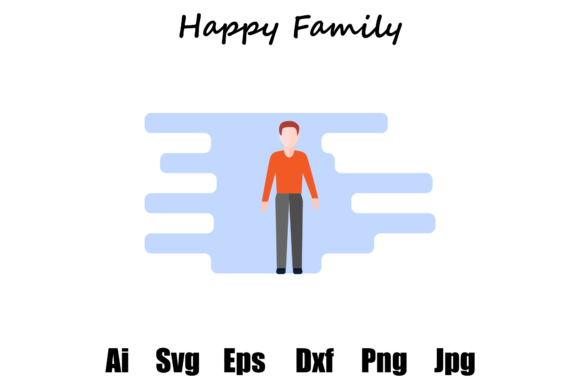
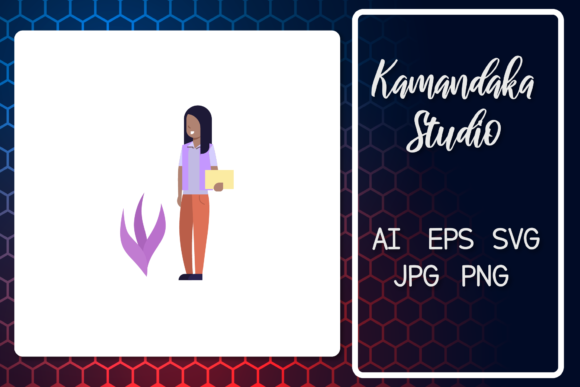
The first thing that stands out about Person Illustration Vector is its clean and modern aesthetic. It has a friendly, approachable feel without leaning too heavily into any one style—making it adaptable to various niches. The illustration isn't overly detailed, which is a big plus when considering scalability and use in different product types. It doesn’t scream “playful” or “premium,” but rather sits comfortably between those two extremes, appealing to a broad audience while still maintaining a professional edge.
This kind of visual personality makes it ideal for small businesses looking to build brand identity or creative entrepreneurs who want their designs to feel inclusive yet polished. Whether you're designing t-shirt graphics for a print-on-demand shop or creating greeting card templates for a handmade business, the Person Illustration Vector feels like a solid foundation to work from.
Real-World Applications for Online Sellers
One of the strengths of this vector graphic is its adaptability. Here are some of the key ways I’ve found it useful:
- SVG products: Perfect for Cricut or Silhouette projects where crisp lines matter. The editable nature allows for easy customization to fit specific die-cut sizes or shapes.
- T-shirt designs: The simplicity of the illustration means it translates well onto fabric, especially when using light-to-dark color contrasts.
- Clipart bundles: Can easily be paired with other flat vector illustrations to create cohesive themed collections.
- Sublimation designs: Works great for mugs, tumblers, and apparel since it maintains clarity at high resolutions.
- Printable wall art: The clean lines and lack of intricate details make it suitable for large-format prints without losing quality.
- Planner stickers: Great for decorative accents in weekly or monthly planners, especially if you’re targeting a lifestyle or productivity niche.
- Greeting cards and invitation templates: Adds a personal touch without overwhelming the layout, making it perfect for minimalist or whimsical styles.
- Canva templates: Integrates smoothly into drag-and-drop designs for social media posts, blog headers, or promotional banners.
- Scrapbooking kits and digital paper packs: Its soft, neutral appearance fits well within layouts that require subtle background elements or border accents.
Commercial Design Considerations
If you're planning to turn this into a commercial product, ensure the file includes proper licensing. Many freebies come with restrictions, so always verify that you can resell or redistribute them. For instance, if you're packaging Person Illustration Vector as part of a digital download bundle, you need to confirm that your customers won’t face legal hurdles later.
Testing Before Publishing: A Seller’s Checklist
Before publishing any product that uses Person Illustration Vector, I recommend running through these practical tests to avoid costly mistakes down the line:
- Mockup previews: Place the illustration on real-world mockups like t-shirts, mugs, and tote bags. This helps visualize how it will appear once printed.
- Thumbnail appeal: Resize the PNG version to see how it holds up in small preview sizes—especially important for marketplace listings where first impressions count.
- Background compatibility: Check how the illustration looks on both white and dark backgrounds. Some vector files don’t perform well in low-light settings due to weak contrast.
- Print color testing: If you're printing on demand, test the colors using your printer profile to ensure they match the digital version.
- PNG transparency: Confirm that the transparent areas render correctly—this is crucial for layered designs or overlay graphics.
- SVG cut quality: Open the SVG file in design software like Adobe Illustrator or Cricut Design Space to inspect cutting paths. Smooth lines mean fewer issues during production.
- File resolution: Even though it’s a vector, export versions as needed and check the rasterized output for clarity, particularly for print-based items.
- Font pairing: Try combining it with serif, sans-serif, script, handwritten, and display fonts to find what enhances its look best in different contexts.
Where This Graphic Shines Brightest
There are several areas where Person Illustration Vector really excels. First, it works beautifully in large product previews, especially for digital downloads or printable art. The lack of complexity ensures it remains legible even at smaller scales, which is essential for thumbnails and listing images.
I’ve also used it successfully in themed bundles, such as wellness, gratitude, or productivity sets. Its neutral tone and simple form allow it to blend into a variety of themes without clashing. For handmade businesses or those focusing on brand consistency, it's an excellent candidate for recurring visuals in packaging design or social media content.
Additionally, it supports visual storytelling by adding human elements to abstract concepts. Pairing it with text or other icons can help communicate ideas clearly—something especially useful for blog graphics or promotional visuals.
When to Use with Caution
While Person Illustration Vector is versatile, there are situations where it might not be the best choice. For example:
- Tiny sticker details: Because of its minimal detail, it may not stand out enough when scaled down to very small sizes.
- Overly complex layouts: Adding this illustration to busy designs could dilute its impact or make the overall composition confusing.
- Low-resolution print products: Always double-check that your print service provider accepts vector files or high-res PNGs to maintain quality.
- Crowded thumbnails: Keep the focus on one or two main elements per thumbnail; this illustration can get lost if surrounded by too much text or imagery.
- Dark backgrounds: As mentioned earlier, ensure the illustration has strong contrast against darker tones to avoid readability issues.
- Text-heavy templates: Avoid placing it over dense blocks of text unless you plan to layer it with transparent effects or spacing adjustments.
- Cricut/Silhouette projects requiring precise cuts: While it’s generally good for SVG use, inspect the file closely for any jagged or misaligned paths that might cause cutting errors.
Enhancing Your Marketplace Listings
When preparing your next Etsy product or creative marketplace listing, consider how Person Illustration Vector can support your visual hierarchy. It can act as a focal point in planner stickers, a character element in animated clips, or a subtle accent in digital paper packs.
For print-on-demand sellers, this illustration can be a valuable addition to seasonal collections. Think back-to-school, self-care, or holiday-themed items where a person illustration adds warmth and relatability. It’s also effective in brand identity systems—like adding a mascot-like figure to email headers or packaging wraps.
Themed Bundles and Seasonal Collections
I’ve integrated this type of vector into seasonal bundles before, such as fall wellness sets or winter holiday clipart packs. Its ability to remain relevant across multiple themes makes it a strategic asset for building repeatable product lines. Just pair it with complementary elements like leaves, snowflakes, or motivational phrases to enhance its marketability.
Final Thoughts for Digital Product Creators
In my experience, Person Illustration Vector is a reliable asset for digital sellers aiming to elevate their product offerings. It’s not flashy, but it gets the job done—clean, scalable, and ready for commercial use. Whether you're working on digital downloads or crafting a new line of merchandise, this graphic can contribute to a more professional-looking collection.
Remember, the key to success with any graphic design asset is preparation. Test it thoroughly, understand its limitations, and use it in ways that align with your brand and customer expectations. By doing so, you’ll not only protect your business but also increase the perceived value and click-through potential of your listings.