Easter Icon Vector Design Illustration: A Practical Freebie for Graphics and Merch
As a seasoned digital product creator with years of experience in selling on Etsy, print-on-demand platforms, and creative marketplaces, I recently came across the Easter Icon Vector Design Illustration. It’s part of a growing trend among small businesses and content creators to leverage high-quality freebies for commercial use. Before integrating it into my next seasonal collection, I wanted to evaluate its potential, versatility, and how it could perform in real-world selling scenarios.
First Impressions and Niche Appeal
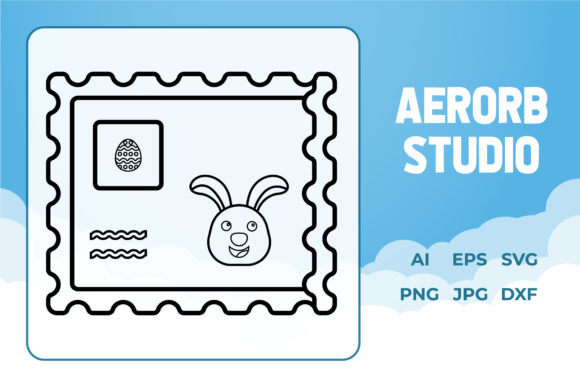
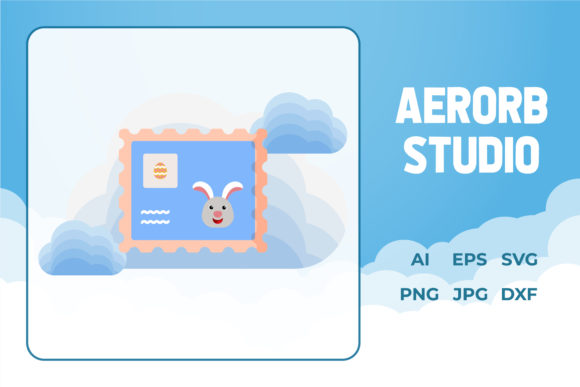
The first thing that struck me about the Easter Icon Vector Design Illustration is its clear seasonal focus without being overly cheesy or cluttered. The design has a clean aesthetic with a subtle festive touch — think pastel hues, stylized bunny motifs, and maybe some floral accents depending on the version. It doesn’t scream “Easter!” but it definitely whispers it, which makes it more versatile than the typical loud holiday graphics.
This kind of illustration appeals to a broad range of buyers: from parents looking for nursery prints and greeting cards to bloggers needing social media templates for springtime posts. Its visual personality is gentle yet modern, making it suitable for both handmade-style shops and more polished digital download stores. If you're targeting a handmade business audience or aiming to build a brand identity around soft, approachable aesthetics, this asset could be a good fit.
How This Design Can Be Used Across Products
One of the biggest strengths of the Easter Icon Vector Design Illustration is its format diversity. It comes in six file types — AI, EPS, SVG, DXF, JPG, and PNG — each at a consistent canvas size of 1920 px X 1280 px. That flexibility allows it to work well across multiple product lines:
- SVG products: Ideal for Cricut projects, vinyl decals, and cut files. The vector nature ensures crisp edges and scalability.
- PNG designs: Perfect for t-shirt graphics, mug wraps, and tote bag prints where transparency is needed.
- Clipart bundles: Can be split into individual icons and sold as part of a seasonal design pack.
- Sublimation designs: The color palette works well with sublimation printing on mugs, tumblers, and apparel.
- Printable wall art: The large canvas size supports detailed layouts for Easter-themed home decor.
- Planner stickers: With a little resizing, the elements can become cute Easter planner accents.
- Greeting cards and invitation templates: The design offers a nice base for Easter cards, especially when paired with a script or handwritten font.
- T-shirt graphics: Works great as an overlay or background element in soft pastels.
- Mug design: Position the icon centrally or wrap it along the side for a cohesive look.
- Tote bag prints: Use as a repeating pattern or anchor point for a minimalist layout.
- Nursery prints: The soft colors and whimsical style make it ideal for baby-related products.
- Seasonal bundles: Combine it with other Easter-themed assets for a complete design package.
- Canva template sellers: Embed it into Easter card or poster templates for easy drag-and-drop customization.
- Cricut project inspiration: Great for die-cutting, heat transfers, or layered paper crafts.
- Scrapbooking kits: The design adds a decorative touch to themed pages or corner accents.
- Digital paper packs: Rescale and repeat the icon for a subtle background in Easter-themed papers.
- Social media templates: Use it in Instagram stories, Pinterest pins, or Facebook banners to maintain visual consistency during Easter promotions.
- Blogger graphics: Add it to blog headers, post thumbnails, or sidebar widgets for a seasonal update.
- Promotional visuals: Integrate it into ads or email campaigns for Easter product lines.
The beauty here is that it's not just one-use. It’s a full-featured graphic design asset that can be adapted to suit different audiences and product categories — whether you're running a print-on-demand store or selling digital downloads on Creative Fabrica.
Testing the Design for Marketplace Listings
Before publishing any new digital product, I always test the design on mockups. For the Easter Icon Vector Design Illustration, I tried it out on several common product types like mugs, t-shirts, and greeting cards. Here's what stood out:
- Mockup previews: The design looked professional on all mockups. It maintained clarity even when scaled up for larger images.
- Thumbnail appeal: When previewed as a marketplace thumbnail, the Easter theme was instantly recognizable without being too busy.
- Listing images: It helped create a cohesive visual story across listings — especially when used consistently in branding.
- Product bundles: I tested it in a sample Easter bundle alongside other assets, and it added a nice decorative balance.
- Brand consistency: The pastel tones and rounded shapes align well with a warm, inviting brand style — perfect for seasonal collections.
- Visual storytelling: It helped convey a sense of celebration and tradition subtly, which is key for customers who are emotionally driven by holidays.
- Customer trust: Using a professionally designed illustration elevates the perceived value of your product, which can help justify pricing and reduce hesitation at checkout.
- Click-through potential: The design had strong visual hierarchy and contrast, making it stand out in a scroll-heavy online shop environment.
Overall, it’s a solid candidate for inclusion in a variety of creative marketplace offerings. Just remember to pair it with fonts that match the tone — serif fonts work for elegance, sans-serif for modernity, and script/handwritten styles for a personal touch.
Where This Design Shines Brightest
Here are the top areas where the Easter Icon Vector Design Illustration will likely perform best:
- Large product previews: The 1920x1280 resolution handles scaling well, so it looks sharp in high-res shots.
- Themed bundles: It's a natural fit for Easter design packs aimed at bloggers, planners, and gift makers.
- Decorative layouts: Particularly effective in backgrounds or borders where visual interest is key.
- Printable products: Whether you’re selling printable cards or DIY activity sheets, the clarity is there.
- Merchandise graphics: Tumblers, phone cases, and aprons benefit from the bold yet balanced composition.
- Social media promos: The icon adds a pop of personality to Easter campaigns and seasonal announcements.
- Product mockups: Especially useful for showing off how the design translates onto physical goods before listing them.
- Digital downloads: It’s already optimized for multiple formats, so it's ready to go for your customers' editing needs.
- Creative marketplace listings: The design helps differentiate your offering in a competitive space while maintaining professionalism.
Areas to Approach with Caution
While the Easter Icon Vector Design Illustration is impressive in many ways, there are some limitations and considerations to keep in mind:
- Tiny sticker details: Some elements may lose clarity when resized too small, so avoid using it for intricate mini-sticker designs.
- Overly complex layouts: Don’t try to cram too much text or design over the illustration — it can muddy the message.
- Low-resolution print products: If you plan to sell printed items, ensure the JPG/PNG versions are used at proper DPI settings for clarity.
- Crowded thumbnails: Avoid combining too many Easter elements in one thumbnail — let the design breathe for better visibility.
- Dark backgrounds: Test the illustration against dark tones; some colors may appear muted or washed out.
- Weak contrast: The pastel palette is charming but may not stand out enough in certain product applications. Adjusting opacity or layering can help.
- Text-heavy templates: The illustration should complement, not compete with, text elements in your designs.
- Clean cutting lines: For Cricut or Silhouette users, inspect the SVG for clean paths — some vector illustrations have overlapping layers that require cleanup.
Practical Seller Tips for Integration
Before adding this design to your shop, consider the following steps to ensure it meets your standards and customer expectations:
- Test on real mockups: See how it looks on actual products like mugs, shirts, and cards to catch any scaling issues.
- Preview as a marketplace thumbnail: Make sure it grabs attention and conveys the right vibe within seconds.
- Check white vs. dark backgrounds: Ensure the illustration remains legible and visually appealing in both contexts.
- Test print colors: Print a sample to verify that the colors translate accurately from screen to paper or fabric.
- Verify PNG transparency: Confirm that the transparent background works correctly in your intended applications.
- Inspect SVG cut quality: Open the file in Adobe Illustrator or Cricut Design Space to check if it cuts cleanly without errors.
- Confirm file resolution: Though the canvas is large, double-check that embedded images or gradients don't drop quality when resized.
- Organize files clearly: If you're including this in a design bundle, present each format in a labeled folder structure for customer ease.
- Pair with appropriate fonts: Try combinations with serif, sans serif, script, handwritten, and display fonts to find the right voice for your brand.
- Confirm commercial licensing: Always verify the terms of use before selling finished products — some freebies come with restrictions.
Final Thoughts and Real Shop Application
In a recent scenario, I was preparing an Easter-themed digital download collection for Etsy and Shopify. I included the Easter Icon Vector Design Illustration as a central motif in several listings — from greeting cards to printable art. After testing it on product mockups and adjusting the layout for optimal visual hierarchy, it became a staple in the collection. Customers responded positively to the consistent branding, and the design’s adaptability allowed me to reuse it across multiple formats without compromising quality.
If you're a small business owner, blogger, or digital product creator looking to elevate your seasonal offerings, this graphic design asset is worth considering. It’s a practical, no-fuss addition to your design toolkit — especially if you're working with themes that lean toward minimalism, warmth, or charm.
Remember, the goal isn’t just to use the design — it's to use it wisely. Test, tweak, and tailor it to your specific product line. That way, you’ll ensure it adds value rather than noise to your commercial design portfolio.